
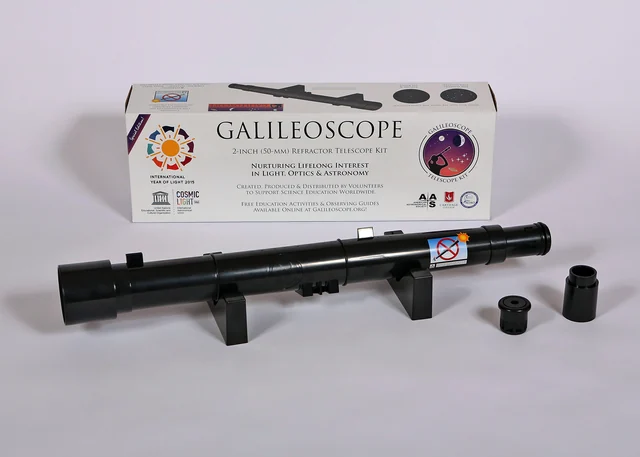
Galileoscope Build-Your-Own Refractor
The first thing to explore is the inside of your own telescope.
Meet this findA science gift is more rewarding when it gives someone a question to investigate. These picks invite looking at the night sky, measuring the world or writing a program—and none should be mistaken for a finished experiment in a box.
The original 50 mm Galileoscope arrives as an assembly kit, making the lens and eyepiece part of the learning. A suitable stable tripod is important for actual viewing. For someone who wants to look through an instrument sooner, the Classic Celestron FirstScope is a small tabletop reflector; its base needs a firm, level surface. Never point either telescope toward the Sun without appropriate specialist solar protection.
Unihedron's SQM-L reports the brightness of a patch of night sky. Comparing readings at different locations turns a familiar sky into a measurement project. Moonlight, nearby lamps and clouds influence results, so a number from one night is not a universal judgment of a location. This makes sense for someone who enjoys careful observations rather than expecting a telescope view.
Adafruit's Circuit Playground Express offers lights, buttons and clip-friendly contact points for small coding experiments. The board itself is not an entire classroom kit: a suitable USB data cable and other project supplies may be needed. The Raspberry Pi Sense HAT brings a little LED display, joystick and sensors, but requires a compatible Raspberry Pi computer and software.
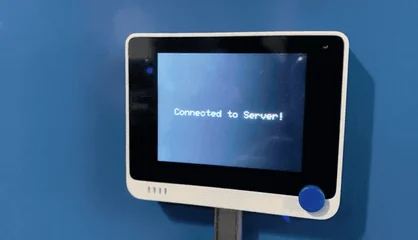
Seeed Studio's Wio Terminal combines a colour screen, buttons and programmable electronics in a small handheld body. It can become a tiny readout for a sensor or web-service experiment. External Grove sensors, battery cases and other expansions are not necessarily included; check the standard Wio Terminal variant before choosing it.
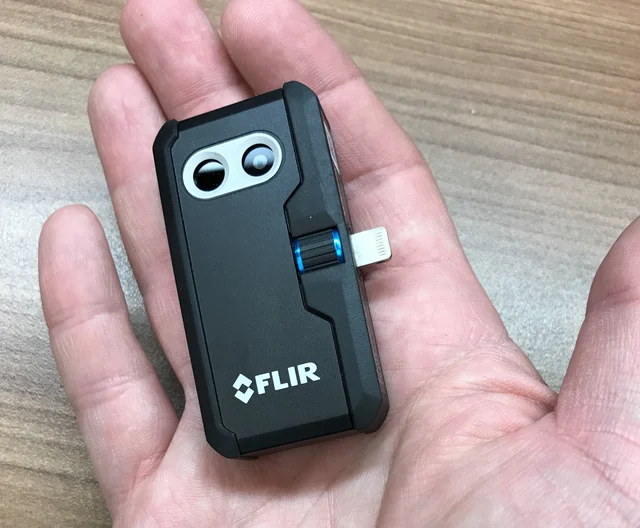
The FLIR ONE Pro for Lightning attaches to compatible iPhones and turns temperature differences into a visual layer. A warm mug or a draft can be interesting to explore, but thermal imaging does not see through walls. The Lightning connector is a compatibility constraint: do not confuse it with the USB-C version or assume the phone comes in the box.
An assembly kit suits someone willing to follow instructions, while a coding board needs a computer and a person who wants to troubleshoot. Consider supervision, small parts and power requirements. Check the model, technical documentation and retailer's included-contents list rather than treating a product photograph as a complete specification.
The first thing to explore is the inside of your own telescope.
Meet this find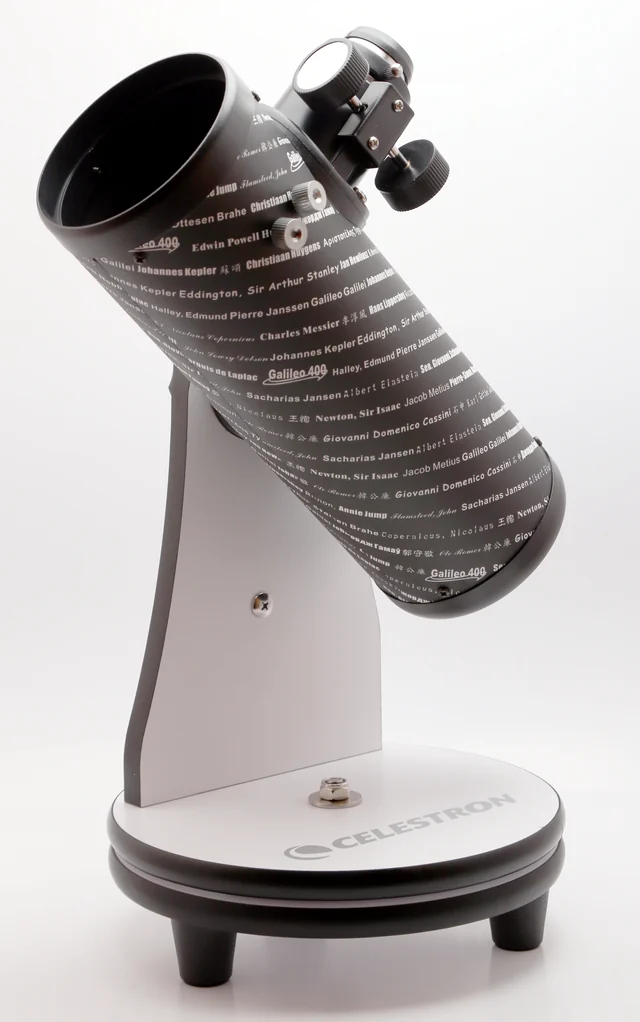
A roll call of astronomers wraps around a working telescope.
Meet this find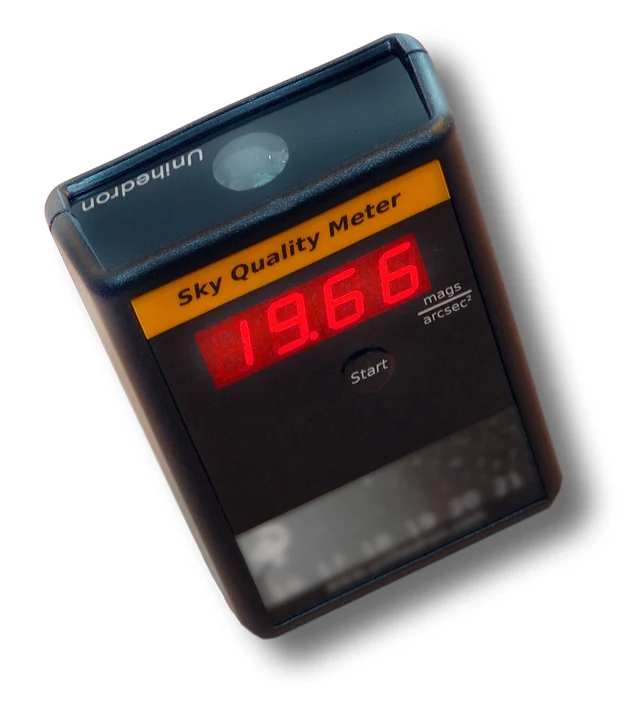
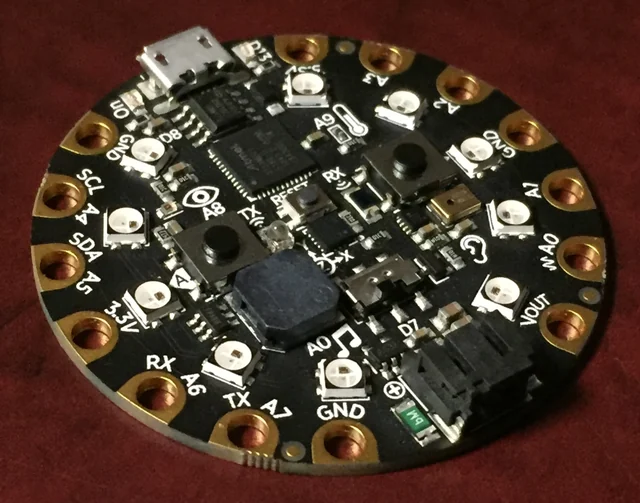
An electronics workbench in the shape of a biscuit.
Meet this find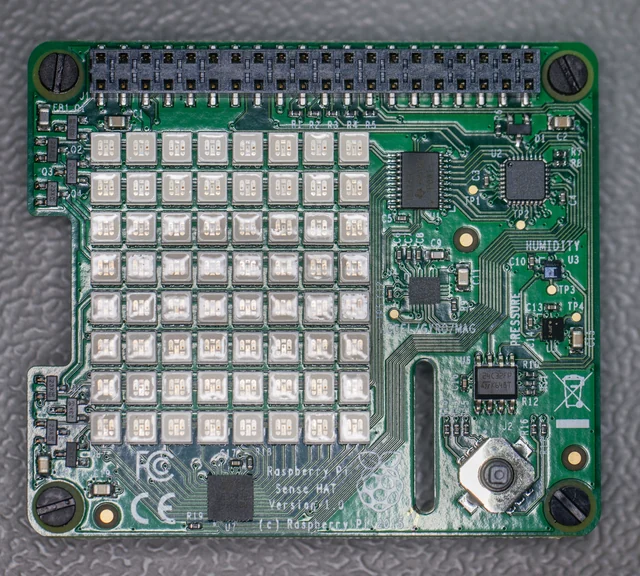
A pocket-sized screen for the little programs you usually leave on a laptop.
Meet this find